15 Morning Routine Habits That Will Transform Your Day

#Why Your Morning Routine Matters
The first hour of your day sets the trajectory for everything that follows. Research from the University of Nottingham found that people who follow consistent morning routines report higher levels of well-being, productivity, and life satisfaction than those who start their days reactively.
This isn't just about waking up early—it's about intention. A deliberate morning routine means you start each day on your terms rather than responding to whatever demands arrive first (usually emails and notifications). The following 15 habits are backed by research and proven by high performers. You don't need all of them—choose the ones that resonate and build your personalized morning ritual.
#The 15 Morning Habits
#1. Wake Up at a Consistent Time
Why it works: Your circadian rhythm thrives on consistency. Research published in Sleep Medicine Reviews shows that irregular sleep patterns are associated with poorer academic performance, worse mood, and increased health risks—even when total sleep hours are adequate. Waking at the same time (including weekends) synchronizes your body's internal clock, making you naturally more alert in the morning and sleepier at the appropriate bedtime.
How to implement: Choose a realistic wake time and stick to it 7 days a week. Vary by no more than 30 minutes on weekends. Place your alarm across the room to force standing up.
Time needed: 0 minutes (it's about consistency, not a task)
#2. Make Your Bed
Why it works: Admiral William McRaven's famous speech captured this perfectly: "If you make your bed every morning, you will have accomplished the first task of the day." This small act creates a sense of accomplishment and order that cascades through your morning. Research from the National Sleep Foundation also found that bed-makers report sleeping better at night.
How to implement: Immediately after standing up, before doing anything else. Keep it simple—straighten the covers, fluff the pillow. It should take under 2 minutes.
Time needed: 1-2 minutes
#3. Hydrate Immediately
Why it works: After 7-8 hours without water, your body is mildly dehydrated. Even mild dehydration (1-2% body mass loss) impairs cognitive performance, according to research in the Journal of Nutrition. Drinking water first thing rehydrates your system, kickstarts your metabolism, and helps flush toxins accumulated overnight.
How to implement: Keep a glass or bottle of water on your nightstand. Drink 16-24 oz within the first 15 minutes of waking. Some people add lemon for taste; the key is the water itself.
Time needed: 1 minute
#4. Move Your Body
Why it works: Morning exercise elevates mood, sharpens focus, and boosts energy for the rest of the day. A study in the British Journal of Sports Medicine found that morning exercise improves attention, visual learning, and decision-making throughout the day. The intensity doesn't matter as much as the consistency—even 10 minutes of movement triggers beneficial neurochemical cascades.
How to implement: Choose what you enjoy: walking, yoga, strength training, running, dancing, or simple stretching. Use a focus timer to define your session length (even 10-15 minutes counts). The key is movement before sitting at a desk.
Time needed: 10-45 minutes (adjust to your schedule)
#5. Practice Meditation or Mindfulness
Why it works: Research from Harvard Medical School demonstrated that 8 weeks of regular meditation produces measurable changes in brain regions associated with memory, sense of self, empathy, and stress. Morning meditation is particularly effective because it establishes a calm, focused baseline before the day's stressors arrive.
How to implement: Start with 5 minutes. Sit comfortably, close your eyes, and focus on your breath. When thoughts arise, gently return attention to breathing. A meditation timer (Habitz has a built-in meditation focus timer) removes the need to watch the clock and creates a defined session container.
Time needed: 5-20 minutes
#6. Journal or Write
Why it works: Expressive writing reduces anxiety, clarifies thinking, and improves emotional processing. A study published in Advances in Psychiatric Treatment found that writing about thoughts and feelings strengthens immune function and reduces stress-related doctor visits. Morning journaling clears mental clutter before the day begins.
How to implement: Write freely for 5-10 minutes. Options: stream of consciousness (morning pages), gratitude lists, goal review, or prompt-based journaling. Don't judge quality—the act of writing is what matters.
Time needed: 5-15 minutes
#7. Take a Cold Shower (or End Hot with Cold)
Why it works: Cold water exposure triggers norepinephrine release, increasing alertness and energy. Research from the Netherlands showed that people who finished their showers with cold water for 30-90 seconds took 29% fewer sick days over a 3-month period. The mental discipline required also builds resilience.
How to implement: You don't need a fully cold shower. End your regular shower with 30-60 seconds of the coldest water you can tolerate. Gradually extend the duration over weeks. Focus on breathing through the discomfort.
Time needed: 1-2 extra minutes added to your shower
#8. Eat a Nutritious Breakfast
Why it works: While breakfast isn't mandatory for everyone (intermittent fasting works for some), those who eat breakfast benefit from stable blood sugar, improved concentration, and better mood throughout the morning. The key is what you eat: protein and healthy fats provide sustained energy, while refined carbs cause a crash by mid-morning.
How to implement: Prepare options the night before to reduce morning decision-making. Good options: eggs with vegetables, Greek yogurt with nuts, oatmeal with protein, or a smoothie with protein powder and greens. Avoid sugary cereals and pastries.
Time needed: 10-20 minutes (less with meal prep)
#9. Read for Growth
Why it works: Morning reading primes your brain with new ideas and perspectives before the day's demands crowd them out. Research on reading shows it reduces stress by 68% (more than listening to music or drinking tea), and morning reading ensures it happens before the day gets busy. Many high performers credit daily reading as their highest-leverage habit.
How to implement: Read 10-20 pages of a book related to your goals—personal development, professional skills, or quality literature. Avoid news and social media; the goal is thoughtful input, not reactive consumption. Use a reading focus timer to ensure you don't get pulled away.
Time needed: 10-20 minutes
#10. Plan Your Day
Why it works: Spending 5-10 minutes reviewing your priorities prevents the reactive "putting out fires" mode that derails most people's days. Research in organizational psychology shows that planning improves task performance by 25%. When you know your top 3 priorities before opening your inbox, you're far less likely to get derailed by other people's urgencies.
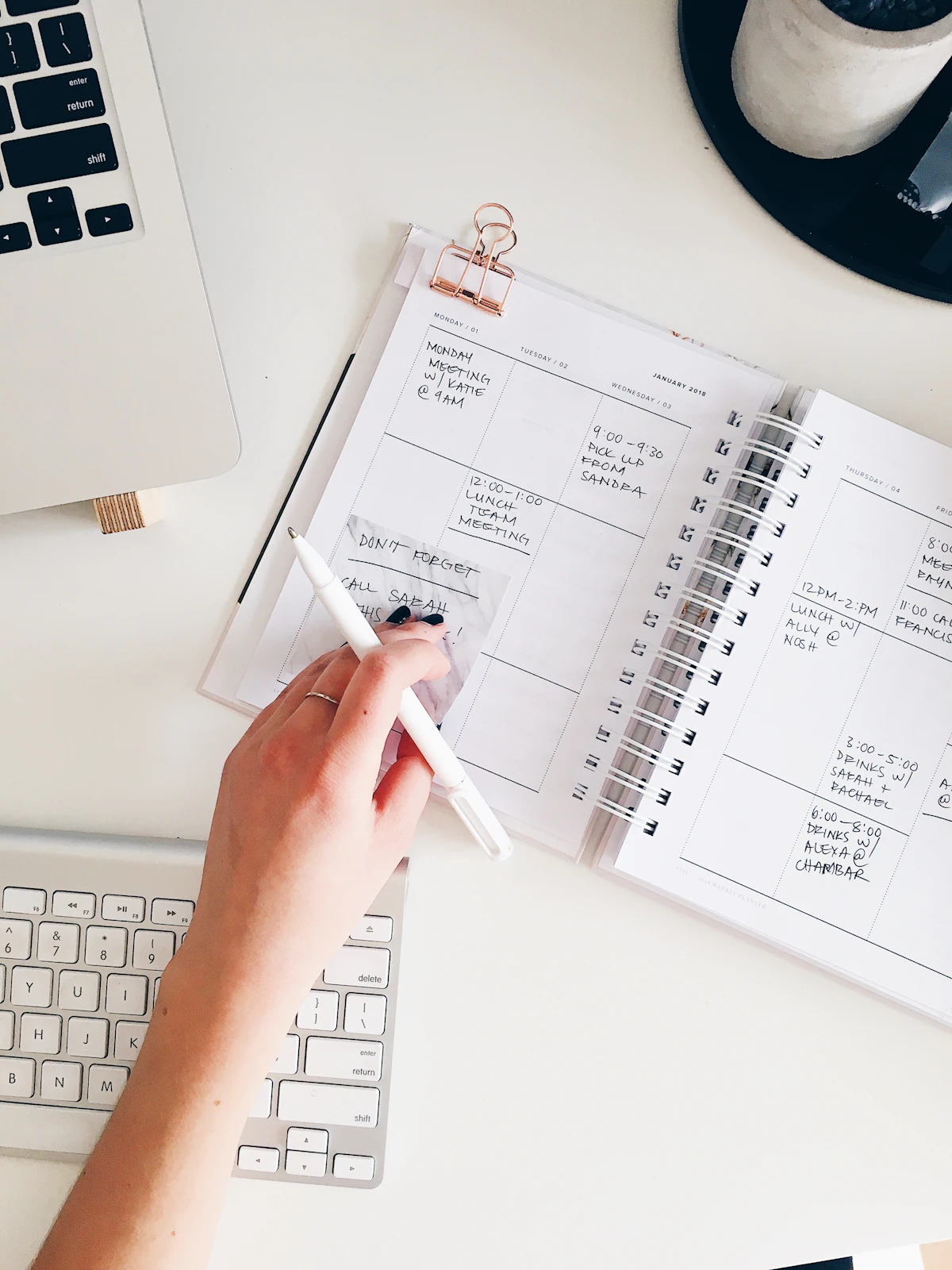
How to implement: Review your calendar, identify your top 3 priorities for the day, and time-block important tasks. Write tomorrow's plan the night before if mornings feel too rushed. Keep it to 3-5 items maximum to maintain focus.
Time needed: 5-10 minutes
#11. Practice Gratitude
Why it works: Gratitude practice is one of the most researched happiness interventions. A study by Emmons and McCullough found that people who wrote weekly gratitude lists exercised more, had fewer physical complaints, and felt better about their lives. Morning gratitude sets a positive framing for the day ahead.
How to implement: Write or mentally note 3 specific things you're grateful for. Be specific: not "my family" but "the conversation I had with my sister last night." Specificity engages genuine emotion rather than empty listing.
Time needed: 2-5 minutes
#12. Avoid Your Phone for the First 30 Minutes
Why it works: Checking your phone immediately upon waking puts you in reactive mode—responding to others' agendas (emails, news, social media) before establishing your own. Research shows that morning phone use is associated with higher stress levels and lower productivity throughout the day. The notifications can wait 30 minutes.
How to implement: Charge your phone in another room or use a physical alarm clock. If you use your phone as an alarm, immediately put it face-down after turning off the alarm. Don't check notifications, email, or social media until your morning routine is complete.
Time needed: 0 minutes (it's about abstaining)
#13. Get Sunlight Exposure
Why it works: Morning light exposure is the most powerful signal for regulating your circadian rhythm. Neuroscientist Andrew Huberman's research highlights that 10-15 minutes of morning sunlight helps regulate cortisol (making you alert in the morning and sleepy at night), improves mood, and enhances sleep quality the following night.
How to implement: Go outside within the first hour of waking. No sunglasses for the first few minutes (regular glasses are fine). Even on cloudy days, outdoor light is significantly more powerful than indoor lighting. Combine this with your morning walk or exercise for efficiency.
Time needed: 10-15 minutes (combinable with walking or exercise)
#14. Review Your Goals
Why it works: Regular goal review maintains alignment between daily actions and long-term objectives. Without this, it's easy to spend weeks being "busy" without making progress on what actually matters. Research on goal setting consistently shows that regular review increases achievement rates significantly.
How to implement: Keep a short list of your 3-5 most important goals visible. Read them each morning and ask: "What's one thing I can do today that moves me toward these?" This takes less than 2 minutes but keeps your goals psychologically active.
Time needed: 2-3 minutes
#15. Use Affirmations or Positive Self-Talk
Why it works: While affirmations have been over-hyped by some, research in Social Cognitive and Affective Neuroscience shows that self-affirmation activates brain reward centers and can improve problem-solving under stress. The key is using affirmations that feel truthful rather than aspirational fantasies—statements about your values and proven capabilities.
How to implement: Choose 2-3 statements that affirm your identity and values: "I'm someone who shows up consistently." "I handle challenges with creativity." "I prioritize what matters." Say them during your morning routine, perhaps while getting dressed or during your commute.
Time needed: 1-2 minutes
#Sample Morning Routine Schedules
#The 30-Minute Morning (Minimal Time)
| Time | Habit | |------|-------| | 6:00 | Wake up, hydrate | | 6:05 | Make bed | | 6:07 | 5-minute meditation | | 6:12 | 10-minute exercise/stretch | | 6:22 | Shower (end with cold) | | 6:28 | 3 gratitudes + review goals |
#The 60-Minute Morning (Balanced)
| Time | Habit | |------|-------| | 6:00 | Wake up, hydrate | | 6:05 | Make bed, get sunlight (open curtains) | | 6:10 | 10-minute meditation | | 6:20 | 20-minute exercise | | 6:40 | Shower (end with cold) | | 6:50 | Healthy breakfast | | 7:00 | 10-minute reading + plan day |
#The 90-Minute Morning (Comprehensive)
| Time | Habit | |------|-------| | 5:30 | Wake up, hydrate | | 5:35 | Make bed | | 5:40 | 15-minute meditation | | 5:55 | 30-minute exercise (outside for sunlight) | | 6:25 | Shower (end with cold) | | 6:35 | Healthy breakfast | | 6:50 | 15-minute reading | | 7:05 | Journaling + gratitude | | 7:15 | Plan day + review goals | | 7:25 | Affirmations |
#How to Track Your Morning Routine
Tracking transforms a morning routine from something you "try to do" into something you measurably practice. Here's how to set up effective morning routine tracking:
#Create Individual Habits for Each Element
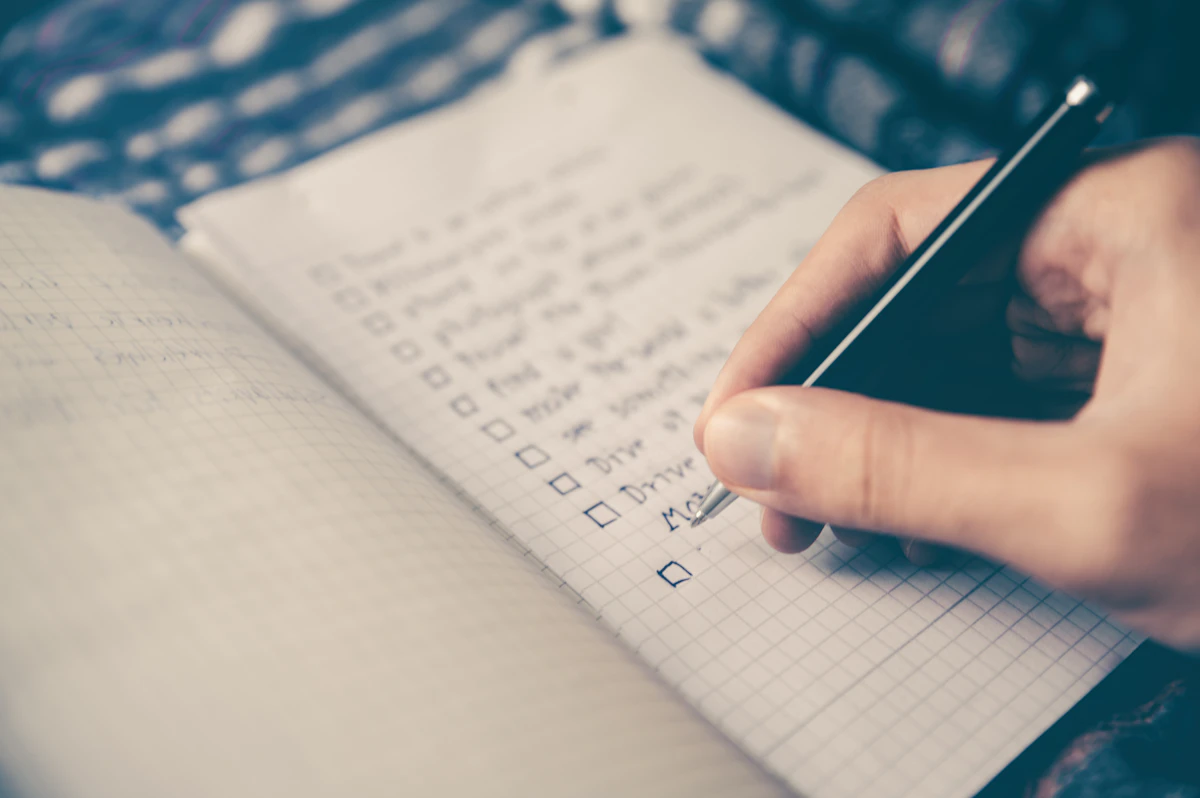
Rather than a single "did morning routine" checkbox, track each component separately. This reveals which parts you're consistent with and which you skip. You might discover you always exercise but rarely meditate, which tells you where to focus your attention.
#Use Time-Based Reminders
Set reminders that align with your schedule. With an app like Habitz, you can configure reminders for specific times on specific days—perfect if your morning routine differs on weekdays versus weekends. A 6:00 AM meditation reminder on weekdays and 7:30 AM on weekends keeps you on track without being annoying.
#Leverage Focus Timers for Timed Habits
For meditation, exercise, and reading, use a focus timer rather than eyeballing duration. This ensures you actually complete the full time rather than cutting sessions short. The timer creates a commitment device that holds you to your intention.
#Use Widgets for Morning Visibility
An iOS widget showing your morning habits gives you immediate visual accountability as soon as you pick up your phone. Seeing which habits are unchecked first thing in the morning creates natural motivation to complete them.
#Review Weekly
Every Sunday, look at your morning routine completion rates for the week. Which habits did you hit every day? Which did you skip? Are certain habits consistently harder on certain days? This data helps you refine and improve your routine over time.
#Getting Started: Your First Week
Day 1-3: Choose just 3 habits from this list. Set alarms and reminders. Focus on showing up, not perfection.
Day 4-5: Review what worked and what didn't. Adjust timing if needed. Consider adding one more habit if the first three felt easy.
Day 6-7: Maintain your initial habits. Resist the urge to add everything at once. Celebrate your first week of consistency.
Week 2 and beyond: Gradually add one new element every 1-2 weeks. Each addition should feel like a natural extension, not a burden.
The goal isn't to implement all 15 habits immediately—that's a recipe for overwhelm and abandonment. The goal is to build a sustainable morning practice that energizes you, one layer at a time. Track your progress, be patient with yourself, and trust that small consistent actions create extraordinary results over time.
Ready to Build Better Habits?
Download Habitz and start your journey to a more productive, healthier life today.